Olde English Monogram Letter F: A Designer’s Perspective
As a designer who regularly evaluates embroidery files for real-world application, I approach each new design with a critical eye. When I first opened the Olde English Monogram Letter F, I was immediately drawn to its classic charm and refined structure. This machine embroidery design has that timeless feel that fits well in both personal and commercial projects, especially those with a rustic or vintage aesthetic. It’s not just another monogram—it carries a sense of heritage and elegance that feels intentional.
First Impressions and Design Personality
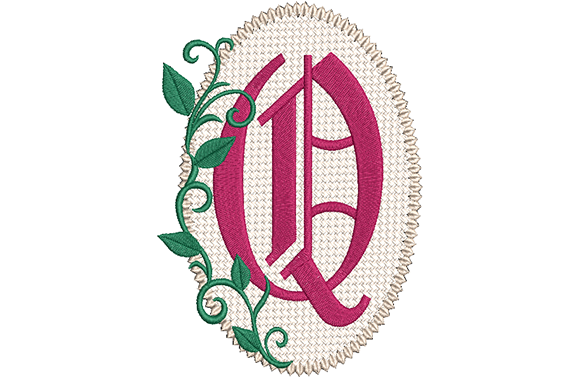
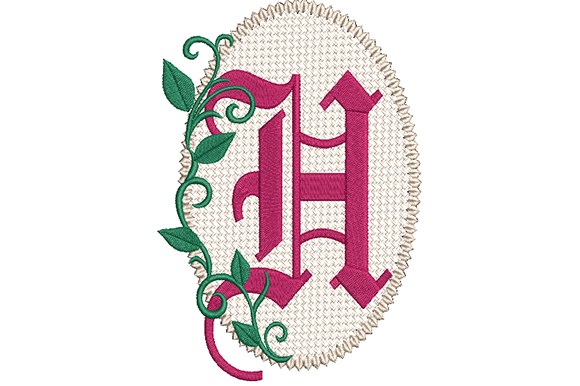
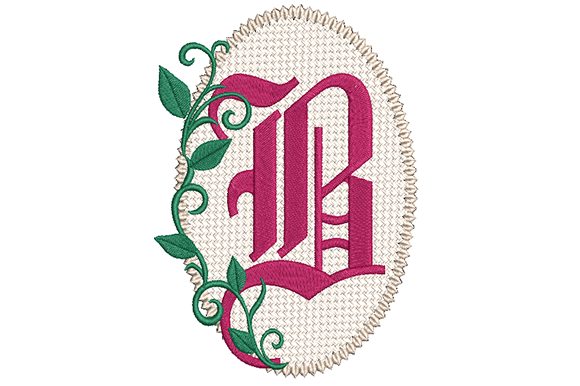
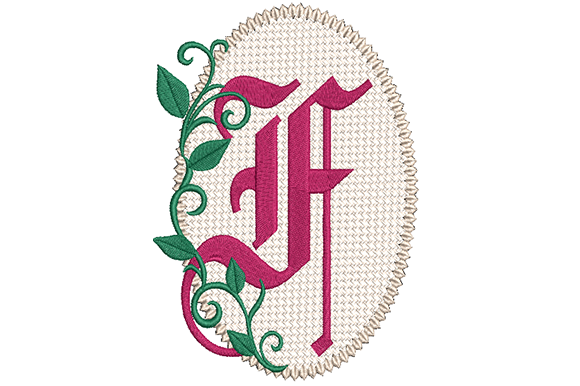
The Olde English Monogram Letter F stands out for its ornate curves and balanced proportions. The knockdown stitch technique gives it a layered look, perfect for working over plush fabrics like terry cloth or felt. As an experienced embroiderer, I appreciate how this method creates subtle depth without overwhelming the fabric underneath. The letter is designed to be bold but not garish, making it suitable for embroidered patches, sweatshirt embroidery, or even custom apparel that needs a touch of sophistication.
Visually, it evokes the feeling of old-timey branding—like something you’d see on a vintage sign or a hand-stitched quilt. That makes it ideal for boutique branding, personalized gifts, or handmade products where character and style are key. The detail level is moderate; there’s enough flourish to make the design feel special, but nothing so intricate that it becomes impractical for everyday use.
Real-World Applications and Use Cases
I often test embroidery designs by imagining them on different product types. For example, if I were creating a custom tote bag for a client—a popular choice among craft businesses and Etsy sellers—the Olde English Monogram Letter F would work beautifully. Placed centrally, it adds a regal flair, especially when stitched onto a thick cotton canvas or terry cloth towel. Its visual weight is just right for drawing attention without being too busy.
This design also shines in baby embroidery. Picture a soft minky blanket with the letter F subtly stitched into one corner. The knockdown stitch allows it to sit nicely above the plush fabric, giving it a dimensional quality that’s both charming and professional. For holiday gifts or wedding monograms, it can be used as part of a larger set of initials or integrated into decorative corners of pillow covers or tea towels.
Etsy sellers and small shop owners might find value in using this file for branded items. Whether it’s an apron for a local bakery or a patch for a personalized cap, the Olde English F brings a cohesive, artisanal feel to any handmade product. The same goes for digital embroidery files offered as design assets—this one has broad appeal and could fit well into a collection of vintage-style letters.
Performance on Different Fabrics and Surfaces
One thing I always consider is how a design behaves on various fabric textures. The Olde English Monogram Letter F performs best on mid-weight to heavy-weight materials, particularly those with some texture. On smooth cotton or linen, it still looks great, but the knockdown stitch really comes alive on plush surfaces like terry cloth, felt, or fleece.
However, it's worth noting that this design should be used carefully on stretchy or thin fabrics. The stitch density might cause puckering or distortion if not properly stabilized. Similarly, placing it on curved surfaces like caps or hats requires extra attention to alignment and hoop size. Always inspect the design on scrap fabric before committing to a final piece.
When working with dark fabric backgrounds, thread color contrast becomes essential. Light-colored threads will pop against darker materials, but they may not hold up as well after repeated washing. If you're planning for high-wear items like sweatshirts or baby clothes, choose durable thread colors and consider using a stabilizer underneath to maintain stitching clarity.
Design Notes for Embroidery Professionals
- Test on scrap fabric: Before stitching on your final product, run a trial to check how the design interacts with the fabric texture and thread colors.
- Check stitch density: The knockdown technique may require adjustments in tension or stabilization, especially on plush or stretchy materials.
- Confirm hoop size: While specific sizes aren’t provided, err on the side of caution and ensure you’re using a hoop large enough to accommodate the full design without crowding.
- Inspect small details: Look closely at the corners and edges of the letter to ensure they won't lose definition when scaled down or stitched on tight spaces.
- Use black and white mockups: This helps assess how the design reads in grayscale, which is crucial for tonal variations and visibility on different fabric shades.
- Compare light and dark backgrounds: The visual impact of the Olde English Monogram Letter F changes significantly depending on the fabric color.
- Choose the right stabilizer: Especially important for plush or delicate fabrics, the right backing material can make all the difference in the finished look.
- Verify licensing terms: If you plan to sell finished products or offer this as part of a digital embroidery file package, confirm the license allows for commercial use.
Where to Use with Caution
While the Olde English Monogram Letter F is versatile, there are situations where it may not perform optimally. Avoid using it on very small hoop sizes unless you’re okay with scaling it down and losing some of its ornate details. Textured or woven fabrics can interfere with the stitch definition, so pre-testing is a must. Also, be mindful of dense stitch areas—if you’re layering other elements around the F, ensure they don’t compete for attention or cause bulkiness.
For digital product sellers, this design works well as part of printable mockups or design templates. But again, since exact file formats or dimensions aren’t specified, always double-check compatibility with your software and intended output.
Customer Reactions and Marketability
In my experience, customers gravitate toward embroidery that feels both personal and polished. The Olde English Monogram Letter F hits that sweet spot. Used in a tote bag design, it conveys a sense of bespoke craftsmanship. In a sweatshirt embroidery project, it adds a nostalgic touch that resonates with those looking for unique, made-to-order pieces.
Its presence elevates the product value and customer trust, especially in niches like handmade products or personalized gifts. Clients expect consistency, and this design delivers that when applied thoughtfully. Whether it's for a holiday gift or a small shop product, the F adds recognition and a sense of professionalism that sets apart average from exceptional.
Final Thoughts for Craft Businesses and Makers
As a reviewer who’s hands-on with every stitch, I can confidently say that the Olde English Monogram Letter F is a solid addition to your embroidery toolkit. It’s not just about how it looks—it’s about how it functions across a range of real-life scenarios. From nursery decor to commercial embroidery, it adapts well when handled with care.
What I love most is how it supports brand consistency for small business owners. Imagine using it across your design assets—from embroidered patches to digital product previews. It creates a unified identity that customers can recognize and trust. And for hobbyists or makers who want their handmade products to stand out, this design offers a unique edge without being overly complicated.
Before finalizing any project, take the time to test the design thoroughly. Adjust thread colors for contrast, stabilize appropriately, and scale wisely. With these considerations in mind, the Olde English Monogram Letter F can become a reliable feature in your next embroidery project.