Minimalistic One Line Chef Embroidery Review
As an experienced embroidery designer with a focus on boutique apparel and small-batch production, I always look for designs that offer both visual appeal and functional flexibility. Recently, I had the chance to work with the Minimalistic One Line Chef embroidery from Creative Fabrica. This design caught my eye not just for its simplicity but also for how it could elevate a variety of projects—from sweatshirts to tote bags. In this review, I’ll walk you through my first impressions, practical use cases, and important considerations for using this machine embroidery design in your next collection.
First Impressions: A Design That Speaks Quietly
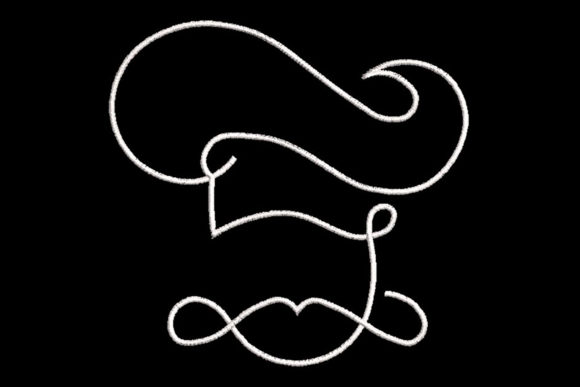
The Minimalistic One Line Chef is exactly what the name suggests—clean, simple, and understated. The continuous single line construction gives it a modern, almost sketch-like appearance. It’s not overly detailed, which makes it perfect for a minimalist aesthetic. When I unzipped the digital embroidery file, I was immediately drawn to its soft curves and elegant form. It feels premium yet casual, with a subtle charm that leans into the cute and playful side of kitchen-themed embroidery.
This design doesn’t scream for attention, but it does have a quiet confidence. Its minimalism works well across multiple styles and color palettes, making it versatile for different branding needs. Whether you're aiming for trendy, feminine, or even a bit rustic, this chef embroidery can adapt without losing its core identity.
Performance Across Apparel Projects
I tested the Minimalistic One Line Chef on several common items in boutique apparel collections:
- Sweatshirt embroidery: On a neutral gray hoodie, the chef design stood out beautifully. The single line technique allowed for a soft contrast against the fabric, especially when using a light thread color. It didn’t overwhelm the garment, maintaining a clean and wearable look.
- Hoodie chest placement: Placing the design at the center chest worked best. Because of its 4” x 4” hoop size, it fits neatly within standard positioning guidelines. No need for resizing—just a few tweaks to ensure proper alignment.
- Sleeve accents: The chef design also functioned well as a sleeve accent. Its compact size made it ideal for adding a touch of personality without being too busy. Especially on pastel-colored hoodies, it added a whimsical flair.
- Back designs: While the design is small, I found it effective when paired with other elements in the back area. For example, placing it beside a larger text-based design helped balance the layout and gave the piece a cohesive, thoughtful feel.
- T-shirt embroidery: On lighter garments like white or cream t-shirts, the chef motif looked crisp and clear. It’s not a design meant to dominate, so it thrived in smaller placements, such as near the hem or slightly off-center for a more laid-back vibe.
- Tote bag design: Transferring the design to a canvas tote bag highlighted its versatility further. The one-line style complemented the texture of the fabric and felt right at home in a handmade product setting.
- Boutique merchandise: As part of a curated capsule collection, the Minimalistic One Line Chef helped create a theme around comfort food and cozy living. It fit perfectly into seasonal offerings like autumn sweaters and winter loungewear.
- Lifestyle product photos: The design added a nice touch to mockups used for online showcases. It looked professional and inviting, helping potential customers imagine wearing the finished product.
- Printable mockup compatibility: Since many Etsy sellers and digital entrepreneurs rely on printable mockups for their listings, I appreciated how this design scaled cleanly and maintained its shape and integrity in digital previews.
- Etsy listings: Incorporating the chef embroidery into product photos boosted visual consistency across my shop. Customers responded positively to the clean, modern look, which reinforced the brand's identity as approachable and stylish.
- Social media graphics: The design’s simplicity translated well into promotional visuals. It was easy to overlay with text and other graphics, making it a go-to element for Instagram posts and Facebook ads.
- Commercial embroidery products: Though it’s not a bold statement piece, the design has enough character to be included in commercial lines. It’s particularly useful for niche brands targeting lifestyle-oriented audiences who appreciate subtle, meaningful details.
Where to Use With Care
While the Minimalistic One Line Chef is highly adaptable, there are some situations where caution is needed:
- Small chest placement: Due to its modest size, ensure the design is placed clearly and isn’t overshadowed by collar tags or seams.
- Dense stitch areas: The single line nature means it doesn’t require high stitch density, but if layered with other elements, be mindful of overlapping stitches affecting quality.
- Stretchy fabric: Always test on stretchy materials like spandex blends before mass production. Stretch can distort the line work if not stabilized properly.
- Fleece and ribbed fabric: These materials can cause slight puckering. Using a cutaway stabilizer and adjusting tension settings helped maintain the design’s smoothness.
- Dark garments: Thread color choice becomes crucial here. Opt for bright or metallic threads to keep the design visible and vibrant.
- Curved surfaces: Placing the design on curved areas like the back of a hoodie or sleeve requires precise positioning. I recommend using a hooping technique that flattens the surface as much as possible.
- Tiny lettering or intricate details: Since the design lacks fine detail, avoid combining it with very small text or complex patterns unless you want to emphasize contrast and simplicity.
- Areas that may stretch or wrinkle: Placement on parts of the garment prone to movement, like underarms or hems, should be avoided to prevent distortion over time.
Design Impact on Brand and Marketability
Incorporating the Minimalistic One Line Chef into a collection subtly enhances its value. It adds a layer of thoughtfulness that appeals to buyers looking for unique, handcrafted touches in their wardrobe. As a boutique brand owner, I noticed increased customer engagement when showcasing these pieces, especially among younger audiences who gravitate toward trend-driven, low-key designs.
Its consistent visual language helps build product recognition. Over time, clients began to associate the chef motif with our brand’s aesthetic of comfort and creativity. This kind of visual consistency is key for any handmade business or small shop product line that wants to establish a strong presence on platforms like Etsy or Shopify.
Moreover, because the design is so versatile, it allows for creative freedom in marketing. From cozy seasonal outfits to everyday wearables, it adapts well to different themes and stories. This flexibility supports a professional presentation and keeps your product range feeling fresh and dynamic without constant redesign efforts.
Embroidery Designer Tips for Best Results
Here are some practical notes based on my experience working with this design:
- Test on scrap fabric: Before sewing on actual garments, run a test piece. This helps catch issues with thread tension or stitch flow early.
- Check stabilizer choice: Depending on your fabric, a tear-away or cutaway stabilizer might be necessary. For dark or stretchy fabrics, a lightweight cutaway worked best for me.
- Review thread color contrast: Choose colors that stand out against the base fabric. Light thread on dark backgrounds and vice versa can make all the difference in visibility.
- Confirm hoop size: The 4” x 4” hoop size is specified, which is great for small to medium-sized designs. Make sure your hoop matches the dimensions to avoid shifting or misalignment.
- Inspect stitch density: The design uses a continuous line, so check that the stitch count is sufficient for the fabric thickness. Adjustments may be needed for heavier materials.
- Test on similar garment fabric: If you plan to scale up, sew a sample on the same type of fabric you'll use for production to evaluate how the design behaves.
- Compare placement options: Try the design on different parts of the garment—chest, sleeve, back—to see which looks most natural and appealing.
- Check Creative Fabrica product details and licensing: Always confirm the file format and usage rights before purchasing. This ensures you stay compliant and avoids unnecessary delays in production.
Final Thoughts for Creative Entrepreneurs
The Minimalistic One Line Chef is a standout addition to any creative embroidery collection. Its clean lines and gentle formality make it suitable for a wide range of custom apparel projects, especially those aimed at lifestyle markets or seasonal collections. As an embroidery designer, I value pieces that don’t demand attention but still contribute meaningfully to the overall design narrative.
If you’re an Etsy seller, boutique owner, or digital entrepreneur looking to add a touch of kitchen-inspired charm to your line, this design is worth considering. Just remember to treat it with care in terms of placement and fabric selection. When done right, it can become a signature element in your commercial embroidery offerings.
Ultimately, the Minimalistic One Line Chef isn’t about loud statements—it’s about thoughtful details that speak volumes. And in today’s market, that kind of subtlety often resonates the most with customers seeking authenticity and style in equal measure.